
You have chosen your winner. We will now notify all the other architects. We will contact you soon.
Your project brief has now been submitted for review and our dedicated advisors will be in contact within the next 48hrs. In the meantime, why not continue browsing our amazing community of architects.
Thank you for signing up to Architects' Republic. Once your brief has been submitted for review, please take look out for a verification email to confirm your email address.
Please make sure you understand and accept our terms before using this site and showing interest in this opportunity.
I agree to the Terms and Conditions outlined by Architects Republic.
We are pleased to confirm we have received your submission and we will be in touch once the client has made their decision.
 2015
2015 A residential extension and refurbishment of an existing home in South London reveals the memories of place and construction
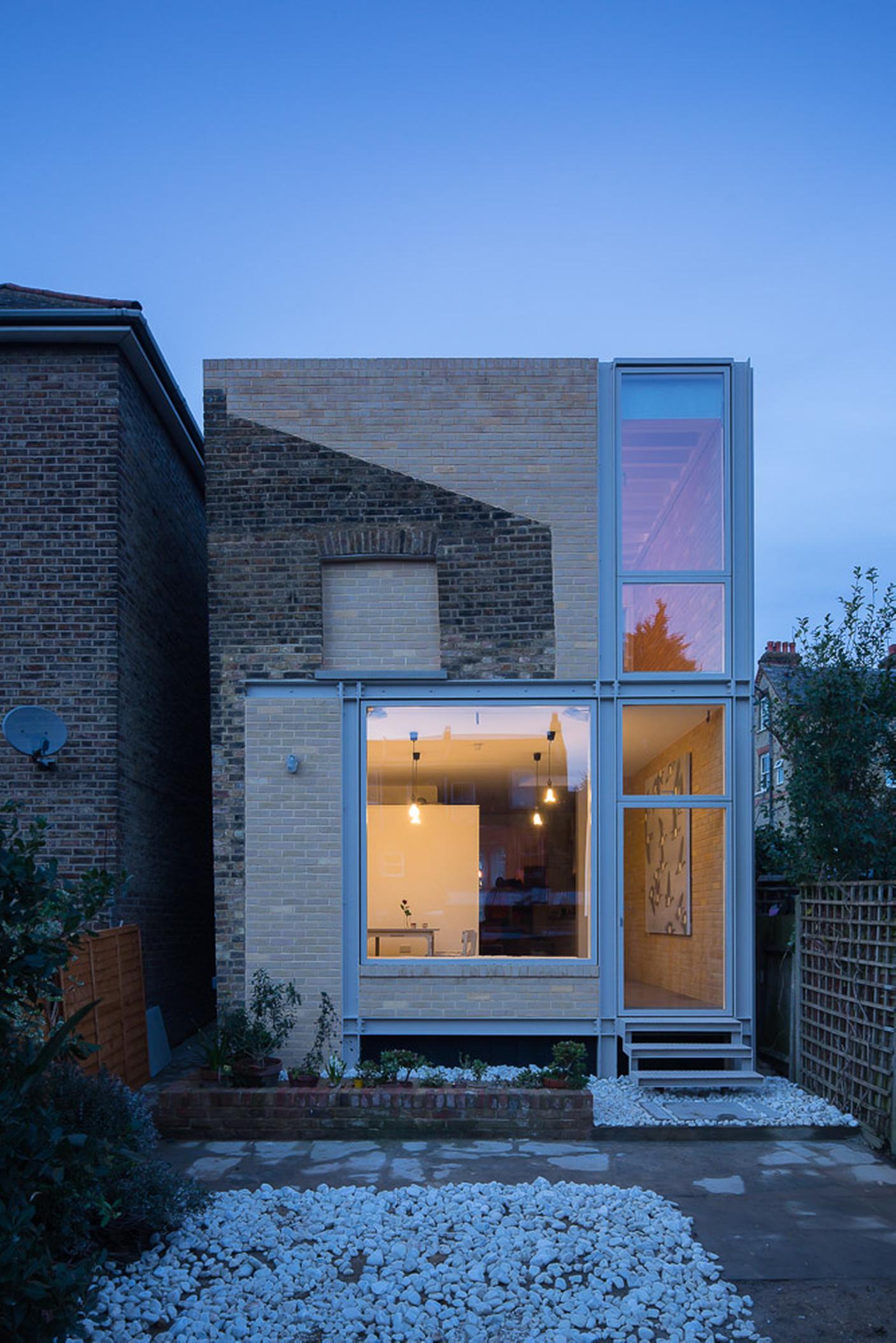
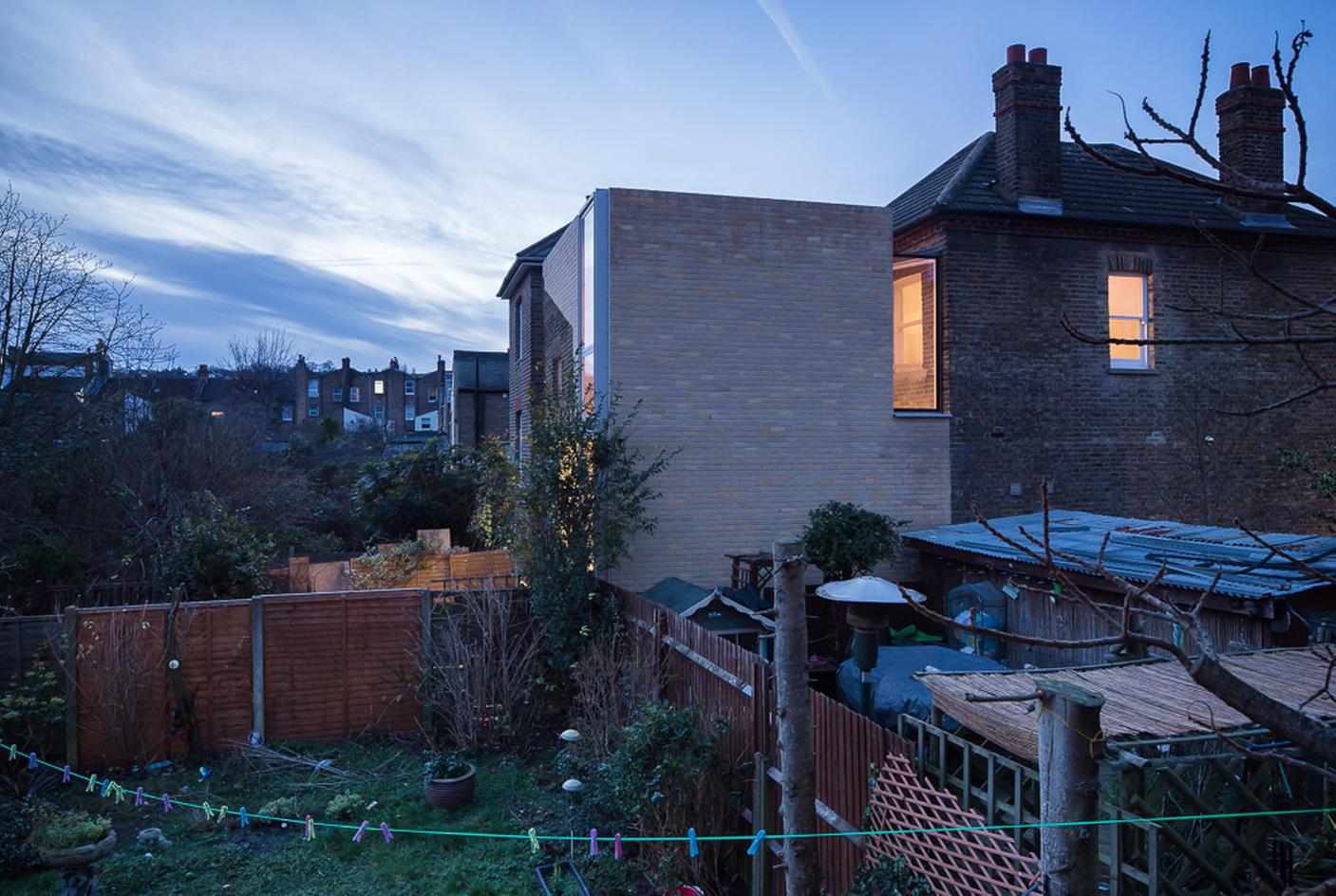
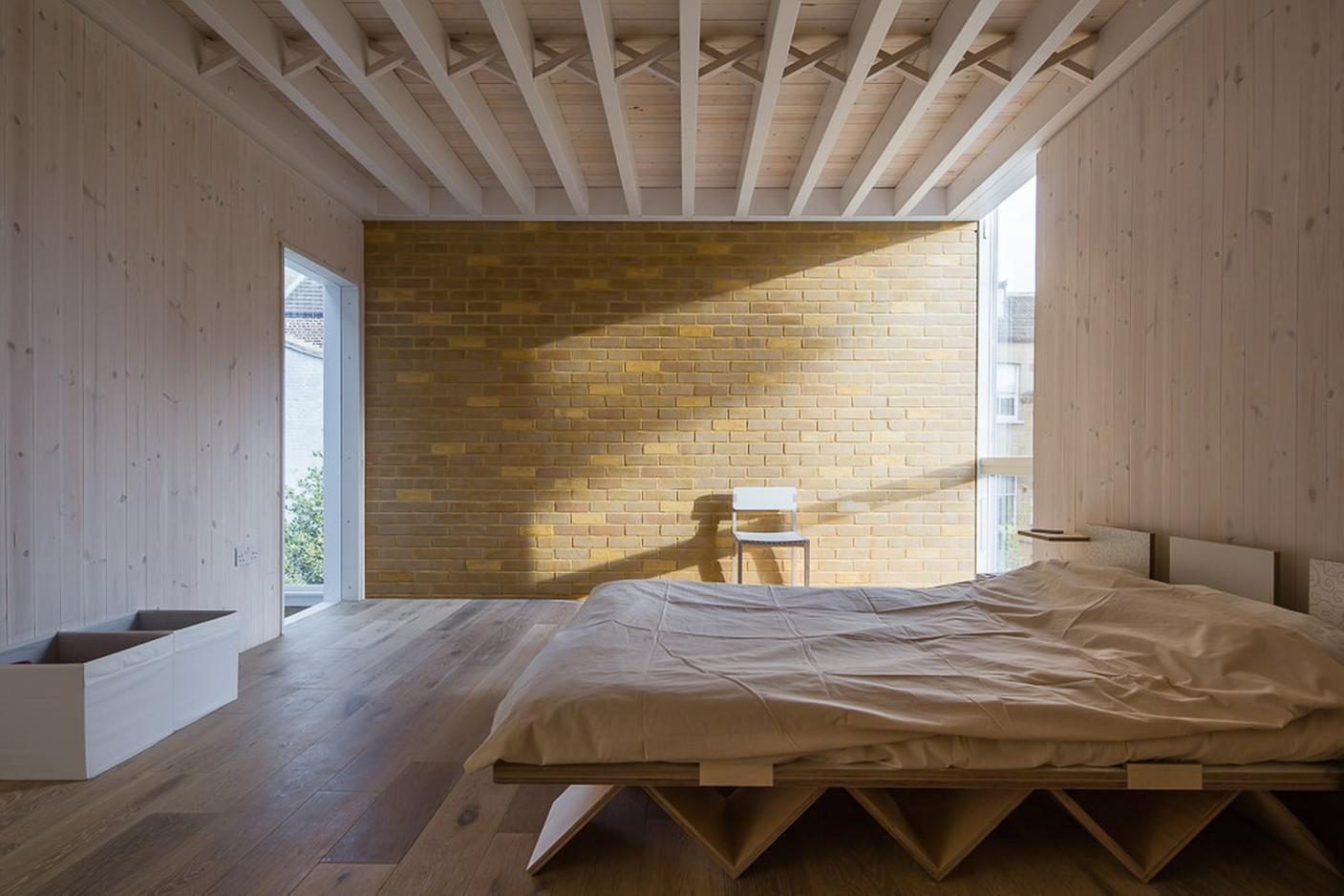
House of Trace,
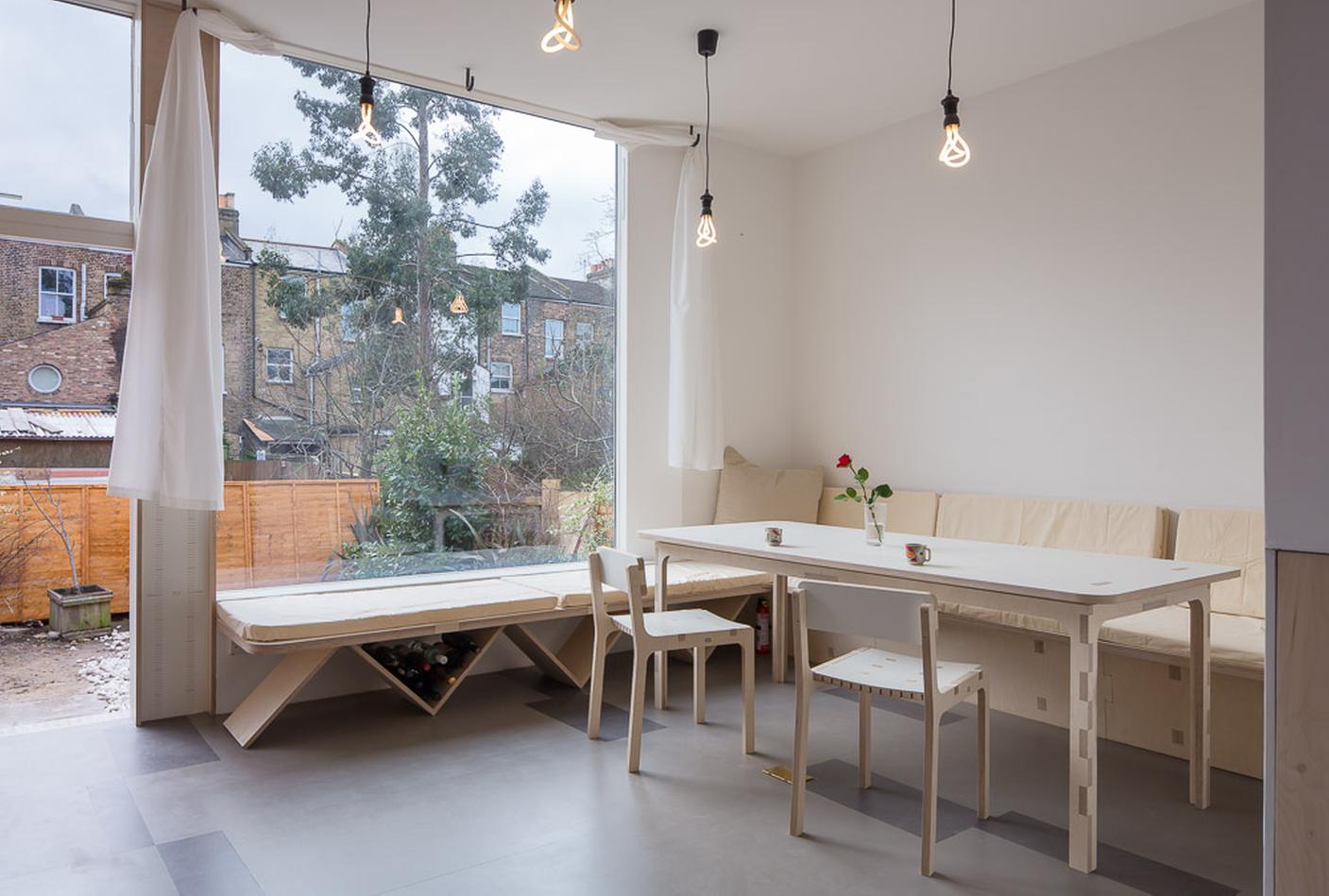
Dinning area facing garden
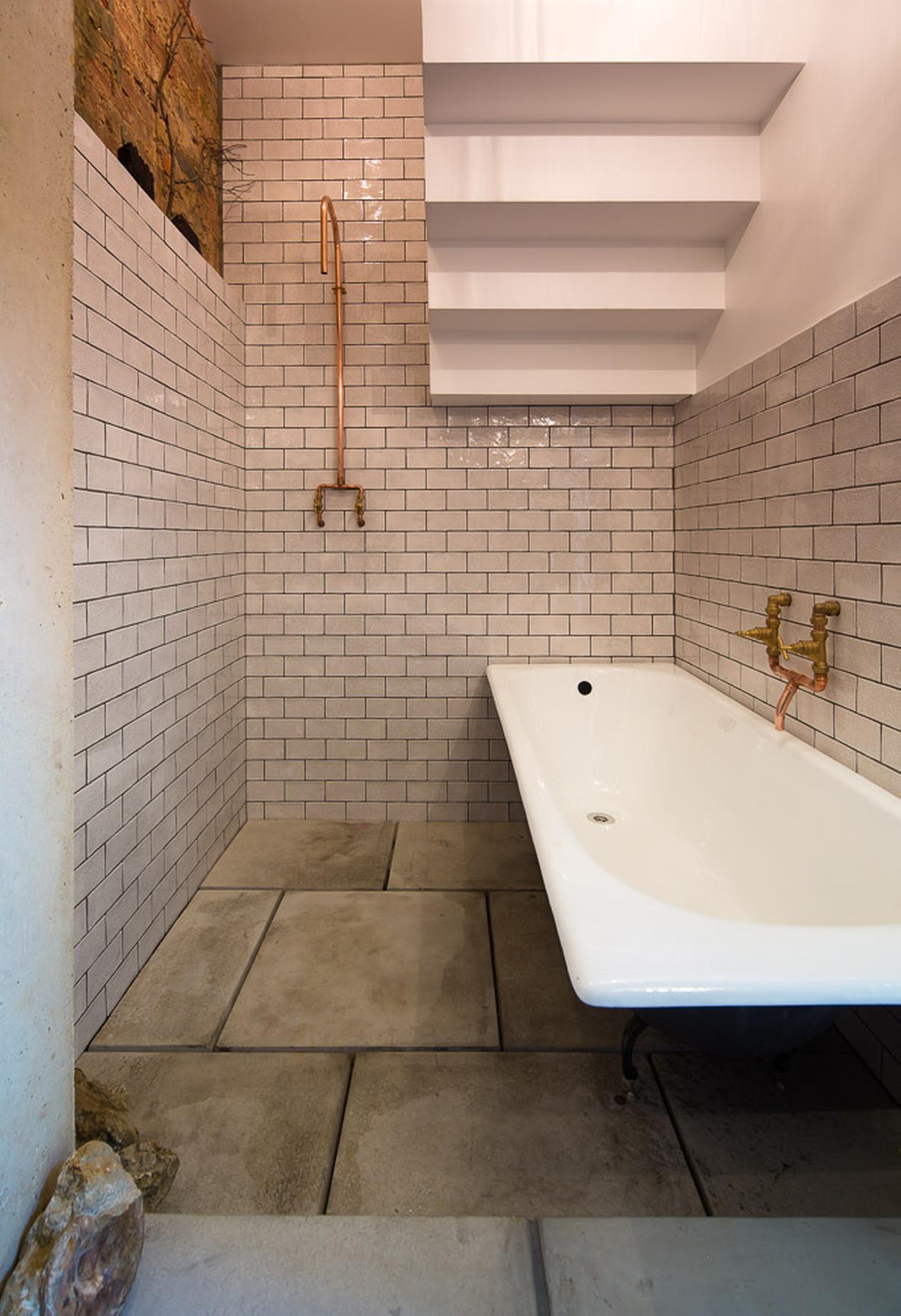
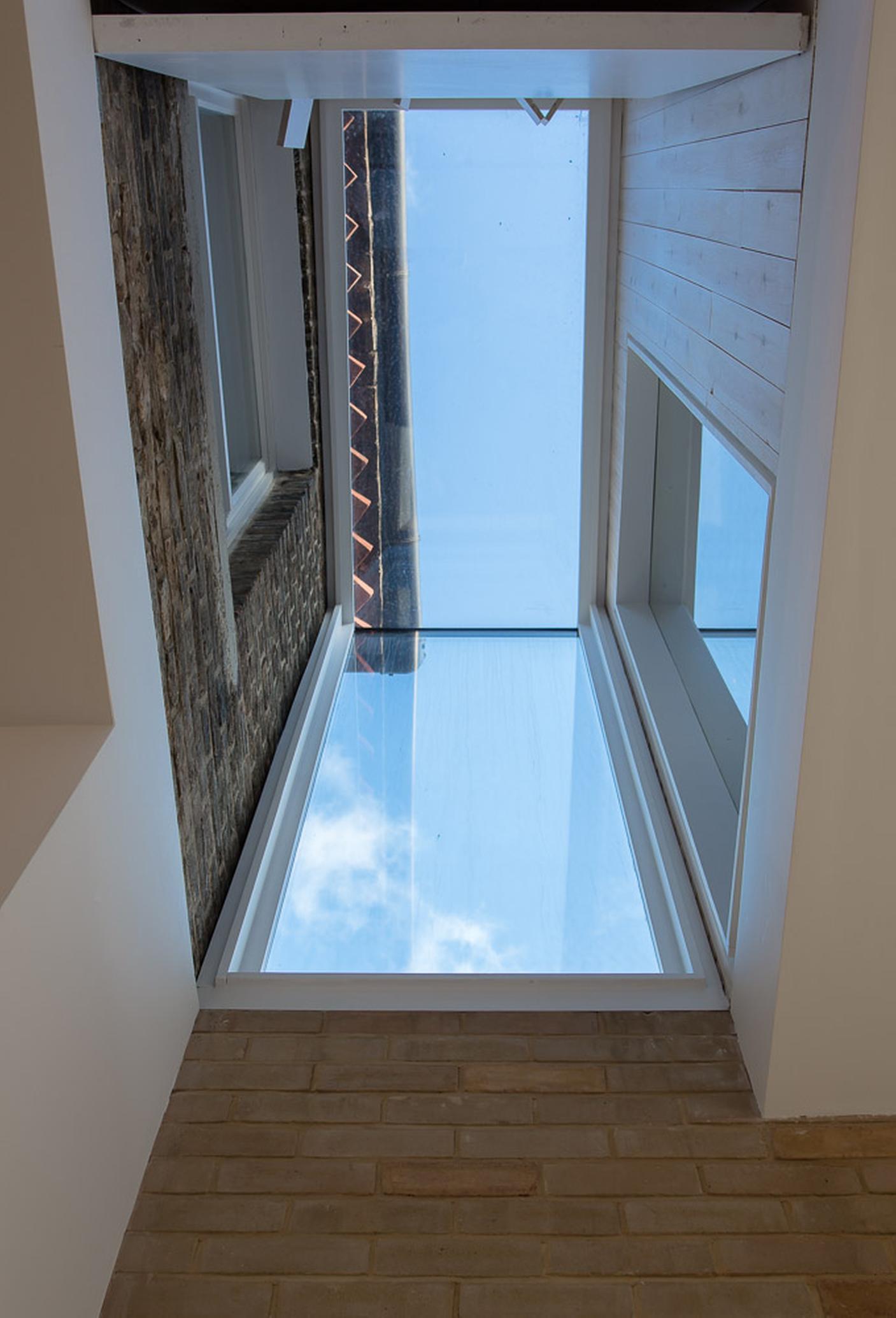
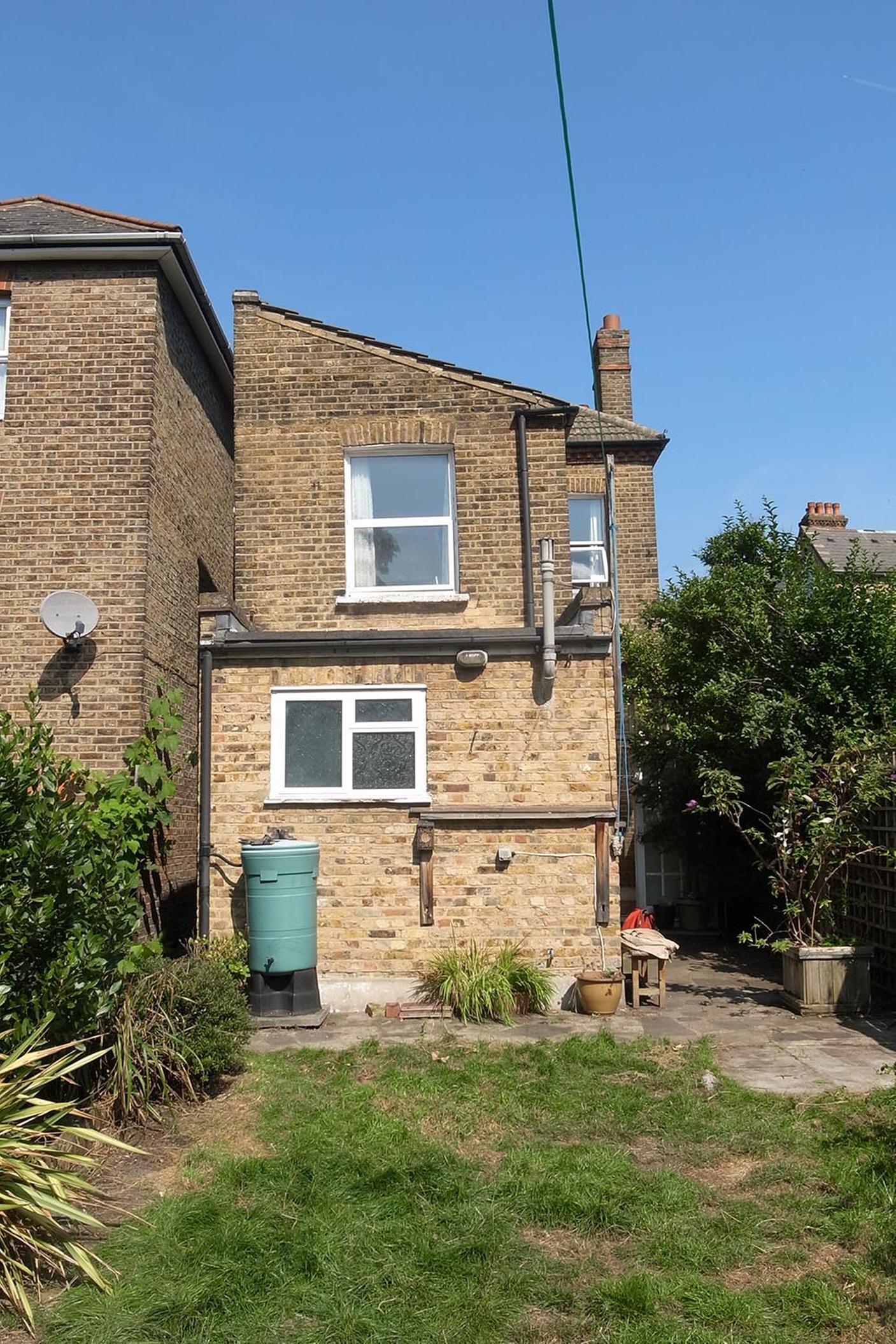
The demolition of the original extension and its replacement, called for an intervention that can be a part of the original main building without replicating classical vocabulary or gesture. Our intent was to keep a sense of memory, while simultaneously allowing the new intervention to have its own identity. The original extension had no distinct historical or architectural value, and was structurally unsound, but it had a slope roof profile typical of those found in terrace house back gardens. We chose to incorporate this banality in the new face of the rear garden – in a way fossilising and persevering its charm to carry some sense of associated memory to those who know it or those who see it new.
As we uncovered the original building fabric, we discovered the history of the house. One of the existing walls had been leaning at a displacement of about one brick thick towards an adjacent building. These significant old movements were registered as cracks on the leaning wall, and have now been revealed and retained within the corridor. The structures of the new envelope have been exposed internally wherever practically possible, so that these surfaces will register the future stories of the house. They also narrate a story of local domestic construction methods by repeating some redundant details that recall the previous state of the house. The bare plaster finish is left exposed in the children's and second bedrooms. Hand marks of workmen trace the process of the work and are now recorded on the internal faces of the building’s fabric. The slow patination of bespoke copper and brass fittings shows the passage of time as they change from their original colour. By registering these notions of memories, the inconsistencies of daily life could fully inhabit the space.

© 2019 Architects' Republic Ltd


